Your roof is one of the most significant investments you’ll make in your home, so understanding how long it will protect your family is crucial for planning and budgeting. While basic asphalt shingles typically last 15-30 years, premium materials like slate and copper can protect your home for 50-100 years or more. The actual lifespan depends heavily on your chosen material, local climate conditions, installation quality, and how well you maintain it over the years.
Understanding your roof’s expected longevity helps you make informed decisions about repairs versus replacement, budget for future expenses, and choose the right material when building or renovating your home.
The lifespan of your roof installation isn’t just about the material itself – it’s a combination of factors working together. Think of your roof as a system in which every component plays a role in its overall durability. The shingles or tiles you see from the street are just one part of the equation.
Several key elements determine how long your roof will last.
Climate takes a major toll, with extreme temperatures, high winds, heavy snow, and intense UV exposure all accelerating wear and tear. A roof in Arizona faces different challenges than one in Minnesota, which affects how materials perform over time.
The quality of installation cannot be overstated. Even the most premium roofing material will fail prematurely if installed incorrectly. Proper underlayment, adequate ventilation, correct fastening techniques, and attention to flashing details all contribute to longevity.
Sunlogix offers professional roofing installations for both residential and business properties.
Asphalt shingles dominate the residential roofing market, covering about 80% of American homes. Their popularity stems from affordability, ease of installation, and decent performance for the price point.
3-Tab Asphalt Shingles represent the most basic option, typically lasting 15-20 years. These flat, uniform shingles offer minimal dimensional appearance and are the lightest-weight option. While budget-friendly upfront, their shorter lifespan means you’ll replace them more frequently.
Architectural (Dimensional) Shingles are thicker, heavier, and more aesthetically appealing, with a lifespan of 25-30 years. They feature multiple layers that create depth and shadow lines, mimicking the appearance of wood shakes or slate. The additional thickness provides better wind resistance and impact protection.
Premium or Designer Shingles can last 30-40 years and often come with enhanced warranties. These high-end asphalt products offer superior durability, better granule adhesion, and advanced algae resistance. While more expensive, their extended lifespan can make them cost-effective over time.
Metal roofing has surged in popularity thanks to exceptional longevity, energy efficiency, and modern aesthetic options. Unlike the corrugated barn roofs of the past, today’s metal roofing comes in a variety of styles that complement any architectural design.
Standing seam metal roofs typically last 40-70 years, with some installations exceeding 100 years when properly maintained. These roofs feature raised seams that interlock panels, creating a watertight barrier that expands and contracts with temperature changes without compromising integrity.
Metal shingle or shake-style roofs mimic traditional materials while offering the benefits of metal, with lifespans of 40-50 years. They’re particularly popular among homeowners who want durability without sacrificing curb appeal. Copper and zinc roofing represent the premium end of metal options, lasting 70-100+ years and developing attractive patinas over time.
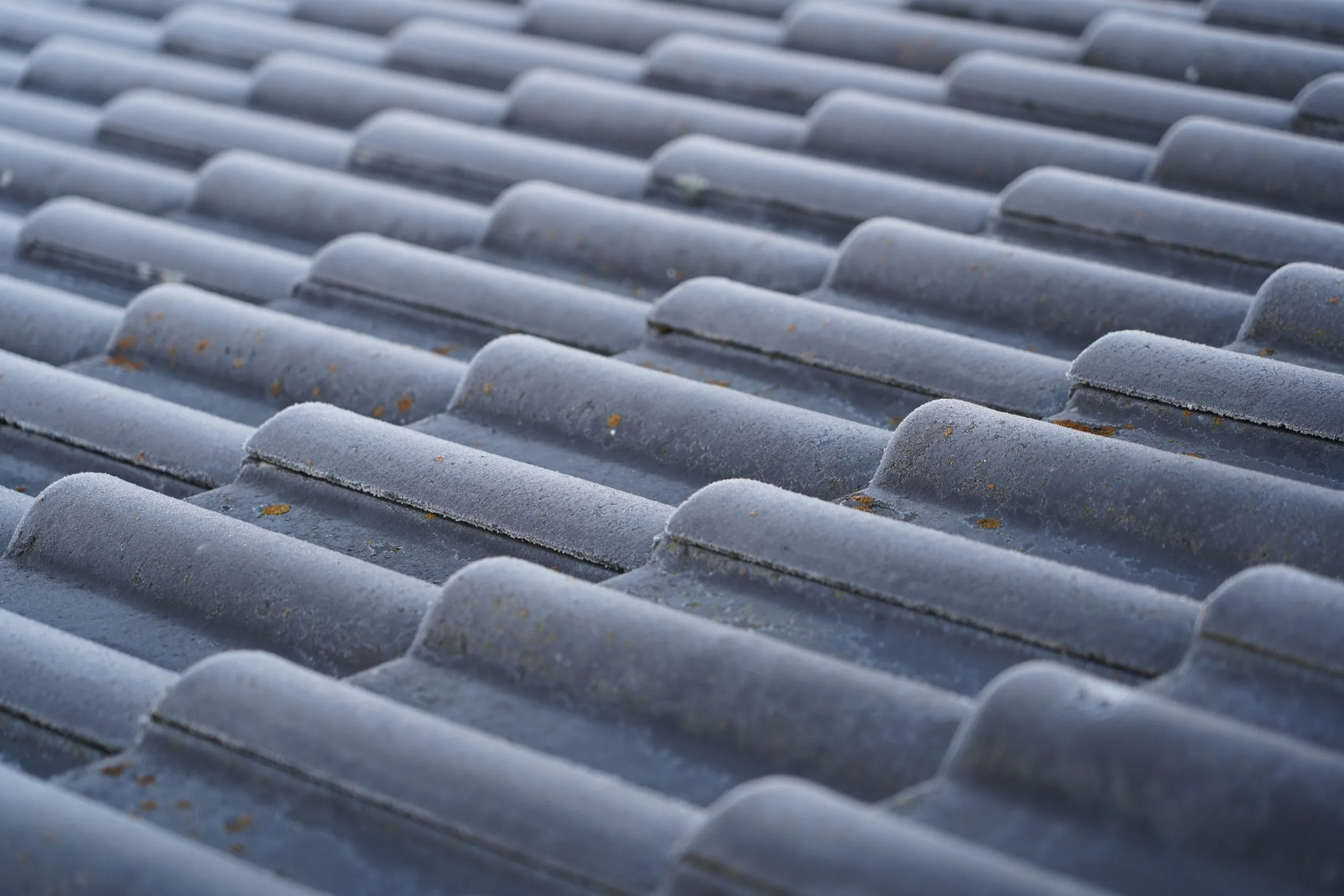
Clay tile roofs have protected homes for thousands of years, with some European installations still functioning after 500+ years. In the United States, clay tile roofs typically last 50-100 years, making them among the longest-lasting residential roofing options.
These roofs excel in hot, dry climates like the Coachella Valley, where their thermal mass helps regulate indoor temperatures. The tiles are fireproof, rot-proof, and insect-proof – three major advantages over organic materials. However, they’re heavy, requiring reinforced roof framing, and brittle, meaning individual tiles can crack if walked on improperly.
Concrete tiles offer a similar aesthetic at a lower price point, typically lasting 40-75 years. While not quite as durable as genuine clay, concrete tiles still provide excellent longevity and come in various colors and profiles to suit different architectural styles.
Natural slate is the gold standard for roofing longevity, with lifespans of 75-200 years depending on the slate’s quality. Hard slate varieties can last well over a century, while soft slate typically provides 75-125 years of protection.
The challenge with slate isn’t the material itself – it’s everything else. The underlayment, flashing, and fasteners will need replacement long before the slate tiles fail. When properly maintained and the supporting components replaced periodically, slate roofs can literally outlast the buildings they protect.
Slate’s extreme weight requires structural reinforcement, and installation requires specialized expertise. Not every roofing contractor has the skills to work with slate properly, making contractor selection critical for these premium installations.
Cedar and redwood shakes and shingles offer timeless beauty and natural insulation properties, typically lasting 20-40 years. Their lifespan varies significantly based on climate, with moist environments accelerating decay and dry climates promoting cracking.
These roofs require regular maintenance to achieve their full potential. Treatment with fire retardants, periodic cleaning to prevent moss and algae growth, and prompt replacement of damaged shingles all extend wood roof longevity. Without this attention, lifespan can drop to just 15-20 years.
Flat roofs present unique challenges and typically have shorter lifespans than sloped roofs due to water pooling issues. The term “flat” is actually a misnomer – these roofs should have a slight slope for drainage.
Built-up roofing (BUR) systems last 15-30 years and consist of multiple layers of tar and gravel. Modified bitumen roofs offer a similar lifespan of 20-30 years, with easier installation and repair. Single-ply membrane systems, such as TPO, PVC, and EPDM (rubber roofing), typically last 15-30 years, depending on the material and installation quality.
Regular inspections are even more critical for flat roofs because water infiltration can occur without obvious exterior signs until significant damage has developed.
Beyond material choice, several factors dramatically affect how long your roof will actually last in real-world conditions.
Installation quality cannot be emphasized enough. Improper installation voids warranties and can cut a roof’s lifespan in half or more. This includes correct nailing patterns, proper flashing installation, adequate starter strips, and appropriate ventilation integration. Even premium materials will fail prematurely when installed incorrectly, which is why choosing experienced professionals matters so much.
Proper attic ventilation regulates temperature and moisture levels, preventing premature aging from heat buildup and condensation damage. Without adequate ventilation, shingles can deteriorate from the underside, insulation can become damaged, and energy costs can increase. A properly ventilated attic keeps roofing materials within their designed temperature range, significantly extending their lifespan.
Climate and weather exposure determine how hard your roof works. Hail damage, hurricane-force winds, heavy snow loads, and extreme temperature fluctuations all accelerate aging. UV radiation from constant sun exposure breaks down organic materials and causes brittleness in many roofing products.
Even the highest-quality roof needs attention to reach its full life expectancy. Neglect is the number one reason roofs fail prematurely.
Regular roof inspections should occur at least twice yearly – spring and fall – plus after any major storm. During inspections, look for:
Missing, cracked, or curling shingles
Damaged or missing flashing around chimneys, vents, and valleys
Granule loss on asphalt shingles (check gutters for accumulation)
Signs of sagging or water damage
Debris accumulation in valleys
Moss or algae growth
Catching small problems early prevents them from becoming major failures. A few damaged shingles are an easy fix; replacing an entire section of roof decking damaged by years of water infiltration is not.
Keep gutters clean and functioning properly. Clogged gutters cause water to back up under roofing materials, leading to rot and leaks. Trim overhanging branches that drop debris, provide pathways for animals, and scrape against roofing materials during windy conditions.
When installation or major repairs are needed, the contractor you select directly impacts your roof’s longevity. A reputable roofing contractor brings expertise, proper licensing and insurance, quality materials, and warranty protection.
Research contractors thoroughly. Check licensing and insurance, read reviews, ask for references, and get multiple detailed estimates. The lowest bid isn’t always the best value – factor in material quality, warranty coverage, and contractor reputation.
Verify that contractors are certified by roofing manufacturers for the specific products they’ll install. Many manufacturers require certification for their warranties to remain valid, and certified installers have received specific training on proper installation techniques.
Choosing roofing materials involves balancing upfront costs against long-term value. While slate or metal might seem expensive initially, their extended lifespans can make them more economical than replacing asphalt shingles three times over the same period.
Consider your home’s architectural style, structural capacity, local climate, and how long you plan to own the property. If you’re planning to sell within ten years, premium materials might not make financial sense. If this is your forever home, investing in longevity pays dividends.
Your roof protects everything beneath it – your belongings, your comfort, and your family. Understanding how long different materials last empowers you to make informed decisions that balance budget, aesthetics, and performance. Whether you choose economical asphalt shingles or invest in century-spanning slate, proper installation and maintenance ensure you get every year of protection your roof can provide.
If you are wondering, “How long does a roof last?” the answer depends on the roofing material you choose, which should match your needs and budget. Whether you’re considering asphalt shingle roofs, architectural shingles, wood shingles, or other durable roofing materials, understanding the lifespan of a roof helps you plan for the future. Asphalt roofs and architectural asphalt shingles offer affordable options for most homeowners, while premium materials provide extended protection for those willing to invest upfront. When roof leaks appear or frequent repairs become necessary, it may be time to replace your roof entirely rather than continue patching problems. A new roof not only protects your roof structure but also comes with a roof warranty that provides peace of mind, especially when proper ventilation is installed to maximize roof shingles’ longevity.
At Sunlogix, our professional roofing contractors help homeowners navigate the roof replacement process with expert guidance on material selection, installation, and long-term care. We understand that every home is unique, which is why we take time to assess your specific situation and recommend solutions that deliver the best value over time. Whether you need a complete roof replacement or expert advice on extending your current roof’s life, Sunlogix combines quality craftsmanship with transparent communication to ensure your investment protects your home for decades to come.
Contact us today for a free consultation and discover how the right roofing choice can provide lasting protection and peace of mind.

About the Author
Sunlogix

Discover other insightful and engaging content from our blog