
How Much Energy Does HVAC Use in Desert Climates?
In the Coachella Valley, HVAC systems account for approximately 50-70% of a typical building’s total energy consumption during peak summer months. This percentage is significantly higher than the national average of 40-50% due to the extended cooling season, which runs from April through October. The intense heat forces air conditioning units to run almost continuously during daylight hours, creating substantial electricity demand.
- For residential properties, a typical 2,000-square-foot home in Palm Springs or Indio can consume 2,000-3,000 kWh per month during July and August just for cooling.
- Commercial buildings face even steeper challenges, with large retail spaces or office buildings consuming tens of thousands of kilowatt-hours per month to maintain comfortable conditions for customers and employees.
The relationship between outdoor temperature and HVAC energy consumption is exponential rather than linear. When temperatures climb from 95°F to 115°F, cooling systems don’t just work a little harder – they can consume 50-100% more energy to maintain the same indoor temperature. This makes even small improvements in system efficiency tremendously valuable in desert environments.
HVAC System Efficiency: What You Need to Know
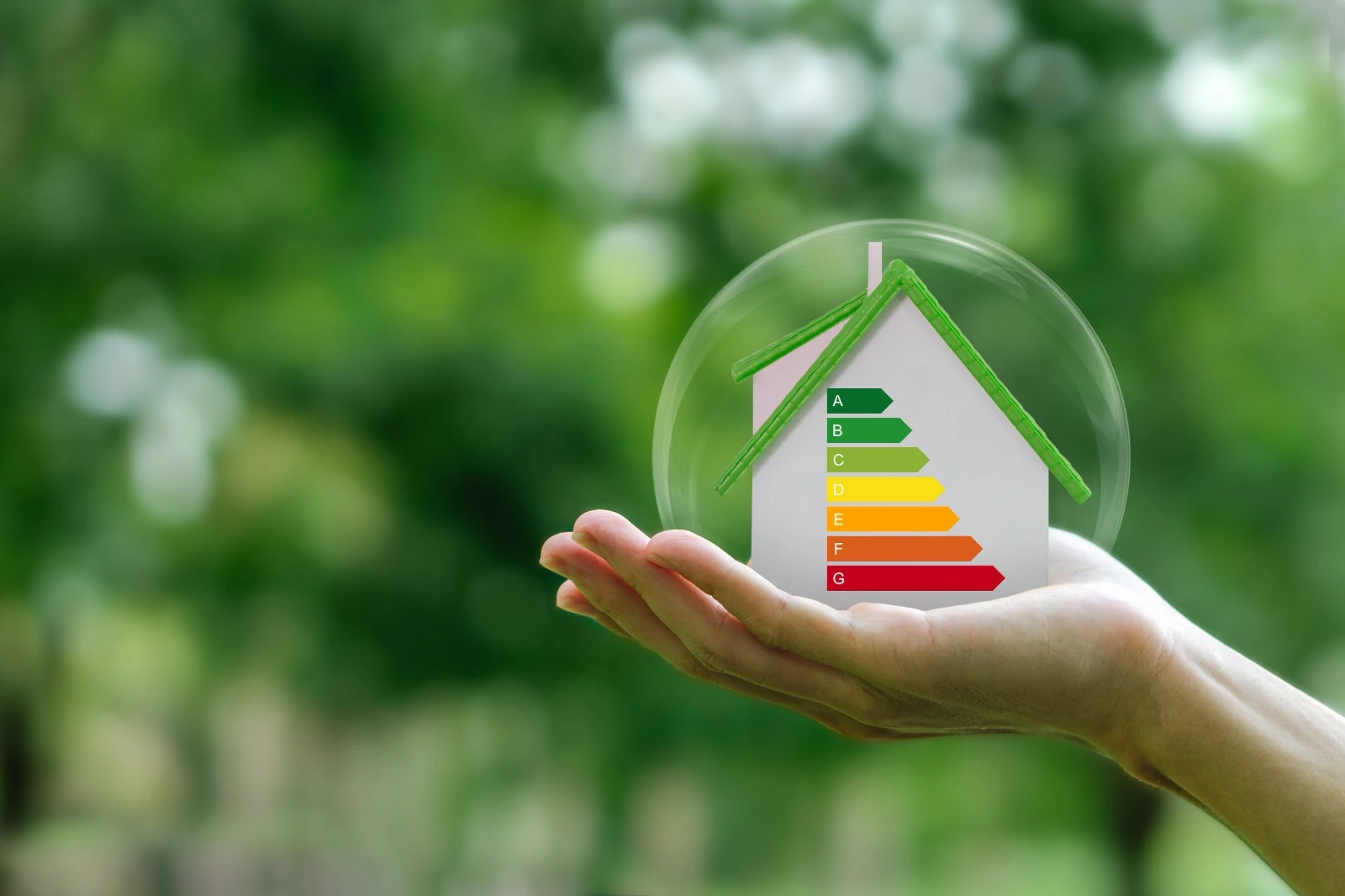
HVAC system efficiency is measured by SEER (Seasonal Energy Efficiency Ratio) for cooling and HSPF (Heating Seasonal Performance Factor) for heating. Modern high-efficiency systems can achieve SEER ratings of 18-25, compared to older units that may rate at only 10-13. In the Coachella Valley’s climate, upgrading from a SEER 10 system to a SEER 18 system can cut cooling costs nearly in half.
Beyond the efficiency rating, proper sizing is crucial. Many contractors historically oversized HVAC systems, thinking bigger was better. However, an oversized unit cycles on and off too frequently, reducing efficiency and failing to adequately dehumidify the air. Right-sizing your system through proper load calculations ensures optimal performance.
Regular maintenance dramatically impacts how efficiently your system operates. A neglected system loses approximately 5% of its efficiency each year, meaning a three-year-old system without maintenance could be operating at only 85% of its original capacity. Simple steps like changing filters monthly during heavy-use seasons and scheduling annual professional tune-ups can maintain peak efficiency throughout the system’s lifespan.
Commercial HVAC Systems and Energy Challenges
Commercial buildings in the Coachella Valley face distinctive HVAC challenges that differ substantially from residential properties. Large open spaces, high ceilings, extensive window areas, and variable occupancy levels all complicate temperature management. Retail stores along El Paseo in Palm Desert or hotels in La Quinta must balance customer comfort with operational costs that can run into thousands of dollars per month.
Commercial HVAC systems often use rooftop units (RTUs) that integrate heating, cooling, and ventilation in a single package. These systems are exposed to extreme desert conditions, including:
- Direct sun exposure that heats the units themselves
- Blowing sand and dust that clogs filters and coils
- Temperature extremes that stress components
- Extended run times that accelerate wear
Many commercial property owners overlook the importance of building envelope improvements. Adding window films, upgrading insulation, and sealing air leaks can reduce the load on commercial HVAC systems by 15-30%, translating to substantial energy savings over time.
Heat Pumps: An Efficient Alternative for Desert Climates
Heat pumps offer an energy-efficient solution for the Coachella Valley’s climate, though they work differently from traditional air conditioning systems. Instead of generating cool air, heat pumps transfer heat from inside to outside (cooling mode) or from outside to inside (heating mode). This transfer process uses significantly less energy than generating heating or cooling directly.
Modern heat pumps can achieve efficiency levels 2-3 times higher than traditional electric resistance heating, making them ideal for the Valley’s mild winter temperatures. During the cooler months from November through March, when overnight temperatures drop into the 40s and 50s, heat pumps provide comfortable heating without the expense of natural gas or inefficient electric coils.
The technology has advanced considerably in recent years. Variable-speed compressors allow heat pumps to adjust their output precisely to match the current demand, rather than simply cycling on and off. This modulation reduces energy consumption, minimizes temperature fluctuations, and extends equipment life – all particularly valuable in a climate where systems run extensively.
Cooling System Optimization Strategies
Optimizing your cooling system goes beyond just choosing an efficient unit. Strategic approaches to temperature management can dramatically reduce HVAC energy consumption:
- Smart Thermostat Programming: Setting your thermostat to 78-80°F when you’re home and allowing it to rise to 85°F when you’re away can reduce cooling costs by 20-30% without sacrificing comfort when you need it.
- Zoning Systems: Creating separate temperature zones allows you to cool only the areas you’re using. Many Coachella Valley homes benefit from separate zones for bedrooms and living areas, reducing unnecessary cooling.
- Shade and Landscaping: External shading devices, awnings, and strategically placed trees can reduce heat gain through windows and walls by up to 40%, directly reducing the work your cooling system must perform.
Night cooling strategies also deserve consideration. When overnight temperatures drop below 80°F, opening windows and using whole-house fans can flush out hot air accumulated during the day, giving your air conditioning a head start the following morning.
HVAC Energy Consumption Patterns Throughout the Year
Understanding seasonal HVAC energy consumption patterns helps you plan and budget effectively. In the Coachella Valley, energy use follows a distinctive pattern that differs from most other regions.
- June through September is the peak consumption period, when systems run continuously, and electricity bills reach their highest levels.
- The shoulder seasons of April-May and October-November offer opportunities for reduced energy consumption, though temperatures still frequently reach the 90s and air conditioning remains necessary. These months offer ideal opportunities for system maintenance and efficiency improvements, before or after peak demand.
- The winter months from December through March see the lowest total energy consumption, with many days requiring no heating or cooling. However, morning and evening heating needs do occur, making dual heating and cooling capability essential even in this desert environment.
Improving HVAC Efficiency in Your Property
Improving HVAC efficiency requires a multi-faceted approach that addresses both equipment and building characteristics:
- Air Sealing: Sealing gaps around windows, doors, and penetrations prevents conditioned air from escaping and hot outdoor air from infiltrating
- Duct Inspection: Leaky ductwork in attics or crawl spaces can waste 20-40% of cooled air before it reaches living spaces
- Reflective Roofing: Cool roof coatings or light-colored roofing materials reflect solar radiation rather than absorbing it, reducing attic temperatures by 30-50°F
- Window Upgrades: Low-E windows or window films block heat-generating infrared radiation while allowing visible light to pass through
Professional energy audits can identify specific opportunities in your property. Many utilities offer rebates or incentives for efficiency improvements, making upgrades more affordable than you might expect.
Air Quality Considerations in HVAC Design
Air quality management is often overlooked in HVAC discussions, yet it significantly impacts both health and system efficiency. The Coachella Valley faces particular air quality challenges from blowing dust, agricultural activities, and seasonal events, such as the Stagecoach and Coachella music festivals, which increase particulate matter levels.
Modern HVAC systems can integrate advanced filtration that removes particles, allergens, and even some odors from indoor air. MERV-rated filters ranging from MERV 8 (basic filtration) to MERV 13 (hospital-grade filtration) trap progressively smaller particles, improving indoor air quality substantially. Higher-rated filters do create more airflow resistance, so your system must be designed to accommodate them without straining.
Proper ventilation also affects air quality. Building codes require minimum fresh air exchange rates, but many older systems don’t meet current standards. Energy recovery ventilators (ERVs) bring in fresh outdoor air while transferring heat and moisture from the outgoing air, maintaining air quality without sacrificing efficiency. In desert climates with low humidity, ERVs are particularly effective at mitigating the energy penalty of ventilation.
Calculating Potential Energy Savings
Understanding your potential energy savings helps justify investment in HVAC improvements.
- A typical Coachella Valley home spending $300-500 monthly on summer cooling could save $60-200 monthly through efficiency upgrades – a savings of $720-2,400 annually. Over a 15-year system lifespan, this represents $10,000-36,000 in reduced utility costs.
- Commercial properties see even more dramatic returns. A 10,000 square foot retail space might spend $3,000-5,000 monthly on cooling during summer. A 30% reduction through efficiency improvements saves $900-1,500 monthly, or roughly $11,000-18,000 annually. Many commercial HVAC upgrades pay for themselves within 3-5 years through these savings alone.
Utility rebate programs further improve the economics. California utilities and local programs often offer incentives covering 20-50% of equipment costs for high-efficiency systems, dramatically shortening payback periods and making upgrades more accessible.
About Sunlogix
Sunlogix has been serving the Coachella Valley for over 30 years, helping residential and commercial property owners reduce their energy consumption while maintaining superior comfort. Our team of certified HVAC professionals understands the unique challenges of desert climate control and specializes in designing, installing, and maintaining high-efficiency systems tailored to your specific needs.
We offer comprehensive energy audits that identify exactly where your property is losing efficiency and develop customized solutions that deliver maximum savings. Our service area covers the entire Coachella Valley, from Palm Springs and Cathedral City to La Quinta and Indio. We work with all major HVAC brands and stay current with the latest efficiency technologies, including variable-speed systems, smart thermostats, and advanced zoning solutions.
What sets Sunlogix apart is our commitment to long-term customer relationships. We don’t just install equipment and disappear—we provide ongoing maintenance plans that keep your system operating at peak efficiency year after year. Our after-hours emergency service helps make sure you’re never left without cooling during the Valley’s extreme summer heat. Contact Sunlogix today for a free consultation and discover how much you could be saving on your energy bills while improving your indoor comfort.
Final Thoughts on HVAC Use in Commercial Buildings
Managing HVAC energy use in the Coachella Valley requires a comprehensive approach that addresses both heating systems and cooling equipment. While HVAC systems account for the majority of household energy consumption in this desert region, the good news is that significant energy savings are achievable through strategic improvements. Upgrading to energy-efficient models – whether a modern central air conditioner with high SEER ratings or heating systems with superior annual fuel utilization efficiency – can dramatically reduce how much electricity your property consumes. Simple maintenance tasks, such as regularly changing air filters, combined with building envelope improvements, such as energy-efficient windows, can enhance efficiency while minimizing energy waste by reducing heat transfer.
The investment in HVAC efficiency pays dividends far beyond lower utility bills. Every kilowatt-hour saved reduces strain on California’s electrical grid during peak demand periods, and every system that wastes energy less contributes to environmental sustainability. Understanding your average energy consumption patterns and taking action to optimize your HVAC performance isn’t just smart economics – it’s essential for comfortable, affordable living in the Coachella Valley’s challenging climate. Whether you’re considering a complete system replacement or making incremental improvements, each step toward greater efficiency moves you closer to optimal comfort and reduced operating costs.

About the Author
Sunlogix
Made Greater!