
Choose Ameristar if you want dependable, straightforward heating and cooling at a lower upfront investment. Choose American Standard if you want higher efficiency, variable-speed comfort, quieter operation and advanced controls. Both brands come from the same parent company, so the decision is less about quality and more about how much comfort technology your home and lifestyle need.
As an authorized dealer for both American Standard and Ameristar, we install, repair and maintain each brand across Palm Desert and the Coachella Valley. This guide explains how the two lines compare on efficiency, features, warranty coverage and lifespan, and how to match the right one to your home.
Understanding Ameristar and American Standard
Before comparing models side by side, it helps to know where each brand comes from and how it is positioned. Many homeowners assume a lower-priced brand must be built by a different company with lower standards. With these two brands, that is not the case.
Brand Overview
American Standard Heating & Air Conditioning is one of the most recognized names in residential comfort. It is part of Trane Technologies, and it shares much of its engineering, testing and manufacturing with Trane. American Standard organizes its equipment into tiers. The Platinum series sits at the top, the Gold series in the middle and the Silver series at the entry level. Each tier adds more efficiency, quieter operation and more precise control.
The higher tiers include features such as AccuComfort variable-speed technology and AccuLink communicating controls. These systems adjust their output in small steps rather than switching fully on and fully off. The result is steadier temperatures, better humidity control and lower energy use during long cooling seasons.
Ameristar takes a different approach. It focuses on simple, reliable equipment that covers the core job of heating and cooling a home well. Ameristar’s lineup includes air conditioners, heat pumps, gas furnaces, air handlers and packaged units. The product range is smaller and the feature set is leaner. That keeps the equipment easy to service and keeps the upfront investment lower.
Who Makes Ameristar?
Ameristar is also a Trane Technologies brand. It was created as a value line that delivers the parent company’s engineering in a no-frills package. That means Ameristar and American Standard share a common foundation in design standards, quality testing and parts supply.
This shared background matters for homeowners in two ways. First, choosing Ameristar does not mean choosing an unknown manufacturer. Second, replacement parts and technical support come through the same established network that supports American Standard. When we service an Ameristar system, we work with familiar components and a well-supported supply chain.
The real differences between the brands show up in the feature set, the efficiency ceiling and the comfort technology available at the top of each line. Those differences are what the rest of this guide covers.
Comparing Ameristar and American Standard HVAC Systems
Both brands can keep a desert home cool through summer and warm through winter. The question is how they do it, how much energy they use along the way and how long they are built to last. Here is how they compare on the factors homeowners ask us about most.
Price Point
The cost of AC replacement in Palm Desert, CA averages $7,500 to $15,000 for a complete central air system, installed. Where a system lands in that range depends on the brand and tier you choose, the size of your home and whether the ductwork needs work.
- Ameristar air conditioner or heat pump: about $4,500 to $9,500 installed for a standard single-stage replacement.
- American Standard Silver series: about $8,800 to $12,000 installed for an entry-level system.
- American Standard Gold and Platinum series: about $12,000 to $20,000 or more installed for variable-speed, high-efficiency systems.
- Full replacement with new ductwork: about $20,000 to $28,000 for larger desert homes with aging ducts.
Local utility rebates of roughly $300 to $1,200 can lower the final figure on qualifying heat pumps.
Ameristar is the more budget-friendly of the two brands. Its equipment is designed with fewer premium features, which lowers the upfront investment for a full system. For homeowners who need a dependable replacement and do not need advanced comfort features, Ameristar often makes the most sense.
American Standard carries a higher upfront investment, especially in the Gold and Platinum tiers. That added investment pays for variable-speed compressors, communicating controls, quieter components and higher efficiency ratings. In a climate where air conditioners run for many months of the year, some of that difference can come back over time through lower utility bills.
The total installed figure for either brand depends on more than the equipment. Home size, ductwork condition, electrical needs and the specific model all play a role. Comparing quotes line by line is the clearest way to see what you are paying for. Our guide on AC quotes explains what each part of a proposal means.
Energy Efficiency (SEER & AFUE Ratings)
Efficiency ratings tell you how much heating or cooling a system delivers for the energy it uses. Two ratings matter most for most homes.
SEER2 measures cooling efficiency for air conditioners and heat pumps. A higher SEER2 number means the system uses less electricity to deliver the same amount of cooling. In 2023, the industry moved from the older SEER rating to SEER2, which uses testing conditions closer to real-world operation. California also sets regional minimums that all new equipment must meet.
AFUE measures how efficiently a gas furnace turns fuel into heat. A furnace with a higher AFUE rating sends more of its fuel into your home as warmth and less up the vent.
Ameristar systems meet or exceed the required efficiency standards. They cover the entry and mid-efficiency range well. For many homes, especially smaller ones or homes with lighter cooling loads, that range is enough.
American Standard reaches higher efficiency levels, especially in the Platinum and Gold tiers. Variable-speed equipment can run at lower output for longer stretches, which uses less energy than repeatedly cycling on and off at full power. In the Coachella Valley, where cooling dominates annual energy use, that difference adds up over a long summer.
Heating efficiency matters less here than in colder regions. Our winters are mild, so many homes rely on heat pumps rather than gas furnaces. Our article comparing a heat pump vs. furnace covers that choice in more detail. For a deeper look at how efficiency ratings affect your monthly bills, see our explanation of HVAC energy efficiency.
Features and Technology
Features are where the two brands differ most.
Ameristar keeps its technology simple. Most systems use single-stage or two-stage compressors. A single-stage compressor runs at full capacity whenever it turns on. A two-stage compressor adds a lower setting for milder days. Ameristar systems work with standard thermostats and with many smart thermostats. The design favors fewer parts and easier service.
American Standard offers a wider range of comfort technology:
AccuComfort variable-speed operation lets the system adjust its output in small steps. It holds the indoor temperature closer to your setpoint and removes more humidity.
AccuLink communicating controls allow the outdoor unit, indoor unit and thermostat to share information and fine-tune performance.
Spine Fin coil design appears on many American Standard outdoor units. This all-aluminum coil is built to resist corrosion and support efficient heat transfer.
Quieter operation comes from sound-reducing features in the higher tiers. This matters for homes with outdoor units near patios, pools or bedroom windows.
Smart controls can benefit either brand. A good thermostat helps any system run on a schedule that fits your household. Our page on smart thermostats explains how these controls work with new equipment.
Warranty Coverage
Both brands offer registered limited warranties on parts, and both cover major components such as the compressor. Exact terms vary by model and tier. Registration is required to receive the full coverage, so it should happen soon after installation.
American Standard’s higher tiers often carry stronger component coverage, which reflects the brand’s premium position. Ameristar also provides solid limited warranty protection for a value brand, supported by the same parent company.
A few points apply to both brands:
Registration matters. Unregistered equipment may only receive base coverage.
Parts and labor are separate. Manufacturer warranties typically cover parts. Labor coverage depends on the installer.
Maintenance supports coverage. Regular service helps keep equipment in good condition and documents that it has been cared for.
When we install either brand, we walk homeowners through the warranty terms for their specific model so there are no surprises later.
Durability and Lifespan
Both brands are built for long service in the desert when installed and maintained correctly. Shared engineering standards mean neither brand is a short-term choice.
American Standard’s premium components, corrosion-resistant coil designs and variable-speed operation can add durability over time. Variable-speed systems start and stop less often. Fewer hard starts can mean less wear on the compressor and motors.
Ameristar’s simpler design has its own durability advantage. With fewer electronic components, there are fewer parts that can fail. Repairs are often straightforward because technicians are working with familiar, widely available parts.
For either brand, three factors affect lifespan more than the badge on the unit:
Installation quality. Correct sizing, proper refrigerant charge and sealed ductwork have a major effect on how long a system lasts.
Routine maintenance. Coils, filters and electrical parts need regular attention, especially in dusty desert conditions.
Climate load. Coachella Valley summers push systems hard. Equipment that is sized correctly runs with less strain.
An older, worn system can also cost more to run than many homeowners expect. Our article on the cost of an old AC explains when repair stops making sense.
Ameristar: Smart Value for Reliable Performance
Ameristar is designed for homeowners who want a dependable system without paying for features they may never use. It delivers the core job of heating and cooling with engineering from the same company behind American Standard.
Ameristar is a strong fit in several situations:
Rental and investment properties. Owners often want reliable equipment that is simple to maintain and keeps tenants comfortable.
Seasonal homes. Many Palm Desert homeowners spend only part of the year in the desert. A simpler system can make sense when the home is not occupied year-round.
Smaller homes and condos. Homes with lighter cooling loads may not see enough benefit from variable-speed equipment to justify the added investment.
Urgent replacements. When an old system fails in the middle of summer, Ameristar offers a dependable option that covers the essentials.
Planned home sales. Homeowners who plan to sell in the next few years may want a reliable new system without a long payback period.
Ameristar heat pump packages work well in our climate because they handle summer cooling and mild winter heating in one system. Packaged units also suit homes where the equipment sits on the roof or on a ground pad rather than being split between indoor and outdoor components.
The main tradeoff is comfort precision. Single-stage equipment cools at full power and then shuts off. Some homeowners notice small temperature swings or less humidity control compared with variable-speed systems. For many households, that difference is minor. For others, especially those who are sensitive to temperature changes, it can matter.
American Standard: Premium Comfort and Endurance
American Standard is built for homeowners who want the most even comfort, the highest efficiency and the quietest operation. It suits people who plan to stay in their home for many years and want a system that pays back its premium over time.
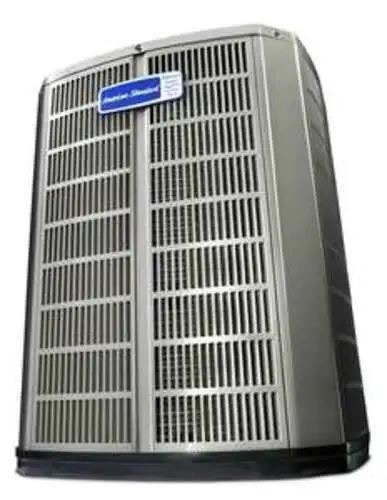
American Standard is a strong fit in several situations:
Full-time residents. Year-round occupants get the most value from efficiency gains because the system runs more hours.
Larger homes. Bigger homes with multiple rooms and levels benefit from variable-speed equipment that adjusts output to match demand.
Homes with comfort concerns. Variable-speed systems help reduce hot and cold spots and improve humidity control.
Noise-sensitive layouts. Outdoor units placed near patios, pools or bedrooms benefit from quieter operation.
Long-term owners. Homeowners who plan to stay for many years have time to recover the higher investment through lower energy use.
American Standard’s tier structure gives homeowners room to choose. The Silver series offers dependable performance at the entry level. The Gold series adds efficiency and comfort features. The Platinum series delivers the brand’s full technology package, including AccuComfort variable-speed operation and AccuLink communicating controls.
In the Coachella Valley, a high-efficiency American Standard system can work well alongside other energy upgrades. Homeowners who already have solar or plan to add it often choose efficient HVAC equipment so their panels cover more of their home’s cooling load. Our article on HVAC energy use explains how cooling drives energy demand in the desert.
How to Decide: Practical Advice for Homeowners
Choosing between these brands is easier when you look at your home and goals first and the equipment second. The right system is the one that fits how you live, how long you plan to stay and how your home handles desert heat.
Key Factors to Consider
How long you plan to stay. If you plan to live in the home for many years, the efficiency and comfort gains of American Standard have more time to pay off. If you expect to sell within a few years, Ameristar may give you reliable comfort without a long payback period.
How much the home is occupied. Full-time residents run their systems far more than seasonal residents. More runtime means efficiency upgrades produce larger savings.
Home size and layout. Larger homes, multi-level homes and homes with rooms that run hotter than others often benefit from variable-speed equipment. Smaller, single-level homes may be well served by simpler systems.
Comfort sensitivity. Some households notice temperature swings and humidity more than others. If even comfort matters to your family, variable-speed equipment is worth considering.
Noise concerns. If your outdoor unit sits near a patio, pool area or bedroom window, quieter equipment can make a noticeable difference.
Existing ductwork. Even the most efficient system underperforms with leaky or undersized ducts. A replacement is a good time to evaluate duct condition. California’s energy code also includes requirements that can affect HVAC replacements. Our article on Title 24 explains what it means for homeowners.
Solar plans. If you have solar or plan to add it, a more efficient system lets your panels offset a larger share of your cooling load.
Matching the Right System to Your Home and Budget
The most important step is a proper evaluation of your home. Equipment sizing should be based on your home’s actual cooling and heating needs, not on the size of the old unit or a rough estimate. An oversized system cycles on and off too often. An undersized system runs constantly and struggles on the hottest days. Both problems shorten equipment life and raise energy use.
When we evaluate a home, we look at square footage, insulation, window exposure, ductwork and how the household uses each room. From there, we can show how an Ameristar system and an American Standard system would each perform in that specific home.
Here are a few common matches we see in the Coachella Valley:
A seasonal condo in Palm Desert, CA often fits well with an Ameristar heat pump that delivers reliable cooling during the months the owner is in town.
A full-time family home in Palm Desert, CA with high summer cooling demand may benefit from an American Standard Gold or Platinum system with variable-speed operation.
A rental property usually fits Ameristar’s simple design and straightforward service.
A home with existing solar is often a good candidate for a high-efficiency American Standard system that makes the most of the panels’ output.
A home with one or two hard-to-cool rooms may need a ductless solution alongside or instead of a central system. We install ductless mini splits for these situations as well.
You do not have to choose the top tier to get good results. Many homeowners find the right balance in the middle of American Standard’s lineup or in Ameristar’s two-stage options. The goal is to pay for features that will actually improve comfort and efficiency in your home.
Since our acquisition of Desert Tech AC & Heating and our grand expansion across the Coachella Valley, our team has worked on a wide range of desert homes. That local experience helps us recommend equipment based on how systems actually perform in our climate. You can read more about that growth in our expansion announcement.
Conclusion: Which System is Right for You?
The answer to “Ameristar vs. American Standard: Which is Right for Your Home” comes down to your priorities. Ameristar offers reliable, simple heating and cooling at a lower upfront investment. It fits rentals, seasonal homes, smaller homes and urgent replacements. American Standard offers higher efficiency, variable-speed comfort, quieter operation and advanced controls. It fits full-time residents, larger homes and long-term owners. Both come from Trane Technologies, and both perform well when sized correctly, installed carefully and maintained regularly. As an authorized dealer for both brands, we help Palm Desert homeowners compare options based on their home, their climate and how they live.