
What Makes an Energy-Efficient HVAC System?
An energy-efficient HVAC system converts the maximum amount of fuel or electricity into heating or cooling with minimal waste. Modern systems achieve this through advanced technology, better design, and smarter controls that adapt to your home’s actual needs rather than running constantly at full capacity.
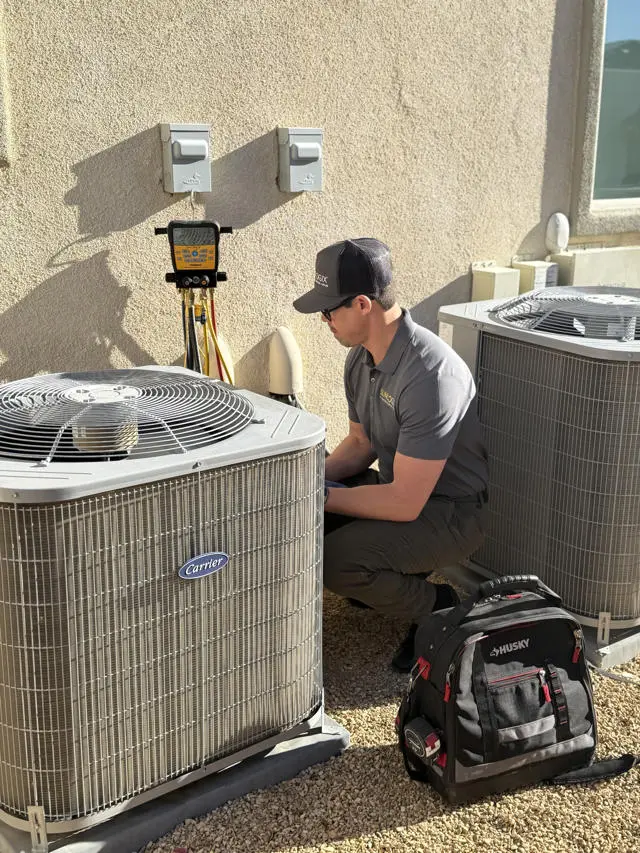
The difference between an efficient and inefficient system isn’t just about newer versus older technology. It’s about how well the entire system is designed, installed, and maintained. A top-of-the-line unit installed incorrectly will perform worse than a mid-range system installed by a skilled professional who properly sizes the equipment for your space.
Variable-speed motors, programmable thermostats, and zoned heating and cooling all contribute to efficiency by ensuring your system only works as hard as necessary. Instead of turning completely on or off, these systems can operate at partial capacity, which uses significantly less energy while maintaining consistent comfort.
Understanding Energy Efficiency Standards
When shopping for HVAC equipment, you’ll encounter various ratings and certifications that indicate how efficiently a system operates. These metrics exist to help consumers compare options and make informed decisions.
ENERGY STAR certification is one of the most recognizable markers of efficiency. Products bearing this label meet strict guidelines set by the Environmental Protection Agency and Department of Energy, typically performing 15% better than minimum federal standards.
Energy Efficiency Ratio and Other Key Metrics
The energy efficiency ratio (EER) measures how efficiently a cooling system operates at a specific outdoor temperature, typically 95°F. It’s calculated by dividing the cooling output in British Thermal Units (BTUs) by the power input in watts. A higher EER means better efficiency and lower operating costs.
For year-round performance evaluation, the Seasonal Energy Efficiency Ratio (SEER) provides a more comprehensive picture by measuring efficiency across an entire cooling season with varying temperatures. Modern systems range from a minimum of 14 SEER to over 25 SEER for premium models.
For heating systems, the Annual Fuel Utilization Efficiency (AFUE) rating tells you what percentage of the fuel you use becomes heat for your home. A 95% AFUE furnace converts 95% of its fuel into heat, with only 5% lost through exhaust.
Your Air Conditioning and Cooling System Choices
Air conditioning technology has evolved dramatically over the past two decades. Today’s cooling equipment offers multiple options to fit different budgets, climates, and home configurations.
Central air conditioning remains the most popular choice for whole-home cooling. These systems circulate cooled air through ductwork to every room. When paired with a high-efficiency furnace, they provide year-round climate control from a single integrated system.
Ductless mini-split systems have gained popularity for their flexibility and efficiency. These units don’t require ductwork, eliminating the 20-30% energy loss typical of ducted systems. They’re ideal for:
Homes without existing ductwork
Room additions or converted spaces
Supplemental cooling for problem areas
Older homes where installing ducts would be impractical
Heat pumps deserve special mention as they provide both heating and cooling from a single unit. In moderate climates, they’re exceptionally efficient because they move heat rather than generate it. Modern cold-climate heat pumps now work effectively even in regions with harsh winters.
The Critical Role of Your Building Envelope
Your home’s building envelope – the barrier between conditioned indoor space and the outdoors – determines how hard your HVAC system must work. Even the most efficient system will struggle and waste energy if your home leaks air like a sieve.
The envelope includes your walls, roof, windows, doors, and foundation. When properly constructed and sealed, it keeps conditioned air inside and weather outside. A weak envelope forces your system to constantly replace air that’s escaping, driving up energy consumption and costs.
Insulation is your first line of defense. Attics should have R-38 to R-60 insulation, depending on the climate, while walls typically need R-13 to R-21 insulation. Many older homes fall short of these targets, making insulation upgrades one of the most cost-effective efficiency improvements you can make.
Addressing Air Leakage Problems
Air leakage occurs through tiny gaps and cracks throughout your home’s structure. These seemingly minor openings add up to the equivalent of leaving a window wide open year-round in many homes.
Common air leakage points include:
Around window and door frames
Where walls meet the foundation
Electrical outlets and switch plates on exterior walls
Recessed lighting fixtures
Plumbing and electrical penetrations
Attic hatches and pull-down stairs
Professional energy auditors use blower door tests to measure total air leakage and thermal imaging cameras to identify specific problem areas. Many utility companies offer these audits for free or at reduced cost. Sealing these leaks with caulk, weatherstripping, and spray foam can reduce heating and cooling costs by 15-30%.
Maintenance: The Air Filter and Beyond
Regular maintenance keeps your system running efficiently and extends its lifespan. Neglected systems work harder, consume more energy, break down more frequently, and die younger.
Your air filter is the simplest yet most important maintenance task. This inexpensive component protects your system’s internal components from dust and debris while maintaining proper airflow. A clogged filter forces your system to work harder, increasing energy consumption by 5-15%.
Check your filter monthly and replace it when dirty – typically every 1-3 months depending on your home’s conditions. Homes with pets, construction activity, or high dust levels need more frequent changes. Higher-quality pleated filters capture more particles but may need changing more often if airflow becomes restricted.
Beyond filters, professional maintenance should occur annually before each heating and cooling season. Technicians clean coils, check refrigerant levels, test safety controls, lubricate moving parts, and identify potential problems before they cause breakdowns. This preventive approach typically costs $100-200 but prevents expensive emergency repairs and maintains peak efficiency.
Making Smart Choices for Long-Term Savings
Investing in energy efficiency pays dividends for years. While high-efficiency equipment costs more upfront, lower operating costs typically recover the difference within 5-10 years, and the equipment lasts 15-20 years with proper care.
When replacing your system, resist the temptation to simply replace your old unit with the same size. HVAC contractors should perform a Manual J load calculation to determine your home’s actual heating and cooling needs. Oversized systems cycle on and off frequently, wasting energy and failing to properly dehumidify in summer.
Consider your climate, home characteristics, and budget when selecting efficiency levels. In regions with extreme temperatures and high energy costs, premium efficiency makes sense. In mild climates with low energy rates, mid-range efficiency may offer the best value.
Final Thoughts on HVAC Energy Efficiency
Upgrading to a new HVAC system that exceeds minimum standards offers substantial energy savings that translate directly into lower utility bills. Whether you’re replacing old heating equipment with modern split-system heat pumps rated by heating seasonal performance factor, or upgrading AC units with impressive SEER rating numbers, the cost savings begin immediately when installed correctly. Smart thermostats further optimize system efficiency by learning your schedule and preferences, ensuring your air conditioners and heating equipment only consume energy when needed. Many homeowners also benefit from federal tax credit programs that offset a significant portion of the initial investment, making high-efficiency upgrades more affordable than ever. The combination of proper installation, quality equipment, and intelligent controls helps you reduce energy consumption while maintaining perfect comfort throughout your home.
Real-world conditions prove that HVAC efficiency improvements deliver measurable results. Modern systems excel at generating heat with minimal energy input or moving heat efficiently rather than creating it from scratch, which explains why heat pumps have become such a popular heat source across diverse climates. Whether your focus is on home’s heating needs, cooling comfort, or both, today’s technology offers solutions that perform dramatically better than equipment from just a decade ago. By understanding how these systems work and making informed choices about equipment selection, installation quality, and ongoing maintenance, you’re not just buying a new system – you’re investing in long-term comfort, reliability, and substantial reductions in both energy waste and monthly expenses.

About the Author
Sunlogix
Made Greater!